You know that feeling when you’re reading, and you suddenly have to put the book down because it sounds familiar or hits a little too close to home? Not in a “this reminds me of my ex” kind of way, but in a “wait, is this about… right now?” way.
Some books don’t just tell a story. They hold up a mirror. And sometimes the reflection is uncomfortably, and undeniably familiar.
Here are a few books that predicted our moment with a little too much accuracy, and one fantasy series that might be doing it better than anything else on shelves right now.
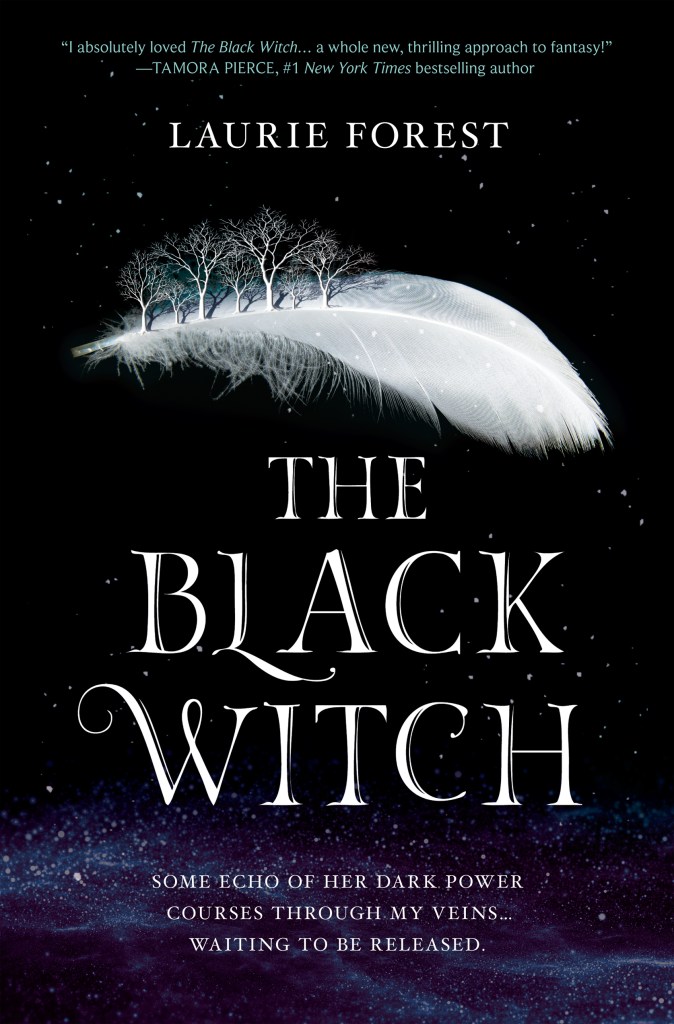
The Black Witch Chronicles by Laurie Forest — The One We Almost Dismissed
This series is the reason I wanted to write this post.
When The Black Witch came out in 2017, it was controversial. Some readers were put off by how vividly the book depicted racism, xenophobia, and propaganda. The thing is, that reaction kind of proved the book’s entire point.
Elloren Gardner doesn’t start out as a hero. She starts out as a girl who has absorbed every prejudice her world handed her, not because she’s a bad person, but because she never had a reason to question any of it. The way things are is just… the way things are. Her textbooks say so. Her family says so. Everyone she’s ever trusted says so.
I don’t know about you, but that landed differently for me recently.
What makes this series feel so relevant right now is how accurately it captures the machinery of indoctrination. The propaganda isn’t coming from mustache-twirling villains, it’s baked into institutions, into education, into casual dinner table conversation. Elloren’s university doesn’t just reflect society’s prejudices; it actively passes them down like heirlooms.
And then her world starts to crack open.
Here’s where Forest does something I really love: Elloren does have a “chosen one” moment. The power is real. But the story doesn’t let her ride that into a solo victory lap. She can’t do it alone, and more importantly, she figures out that she shouldn’t. The whole point is that it takes all of them, across every background and species and belief system, working together. That feels like a pretty pointed thing to say right now.
Her arc isn’t about discovering she was secretly special. It’s about dismantling her own worldview and sitting with the discomfort of having been wrong. Of having caused harm without intending to. “I didn’t know” is not the same as innocent, and the series doesn’t let her (or us) off the hook for that.
The Dryad Storm dropped in 2025, and the series is still going. Somehow it keeps getting timelier.
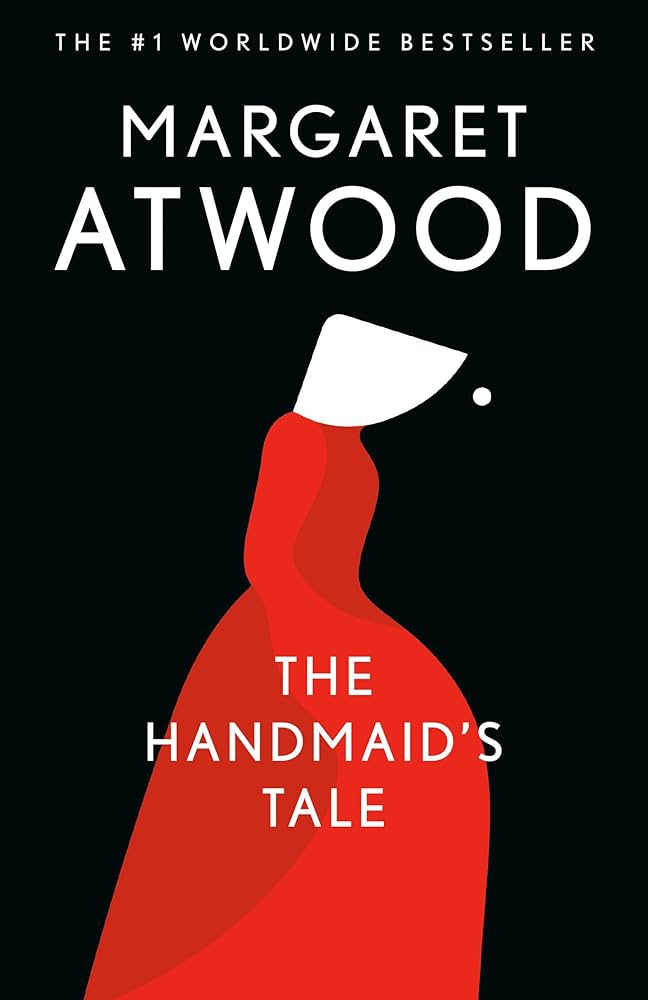
The Handmaid’s Tale by Margaret Atwood — The One Everyone Quoted but Didn’t Finish
Atwood has said she didn’t invent anything for this book, every horror in it had already happened somewhere in the world. Sit with that for a second.
Published in 1985, The Handmaid’s Tale imagines the Republic of Gilead, a theocratic regime that replaced the United States not through a sudden explosion but through a slow, creeping erosion of women’s rights, bodily autonomy, and civic norms. Each small concession makes the next one easier to accept. What Atwood nailed is that oppressive systems rarely announce themselves. They arrive looking administrative.
Around the world, the red cloaks became an iconic piece of protest imagery almost immediately, which is powerful. But the scene that stays with me is quieter: the morning the women’s bank accounts are simply… frozen. Ordinary life, one day. A new normal by afternoon.
We like to think we’d see it coming. Atwood wasn’t so sure, and neither am I.
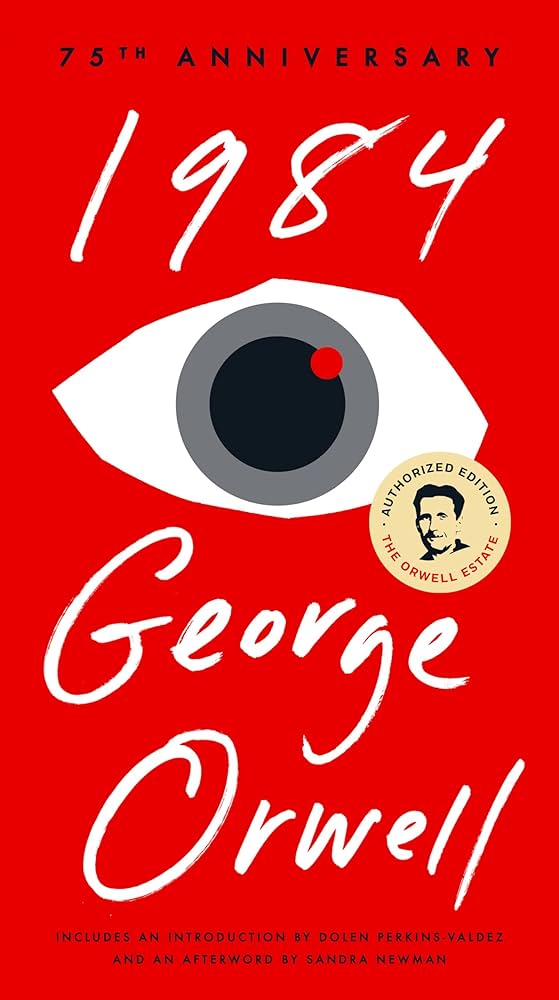
1984 by George Orwell — The One That Became a Meme Before It Became a Warning
At some point, 1984 got so heavily quoted that it almost stopped meaning anything. And then, somehow, it started meaning everything again.
Orwell’s surveillance state, his memory holes, his doublethink, the ability to hold two contradictory beliefs at once without the discomfort of noticing, feel less like dystopian fiction these days and more like vocabulary we desperately needed. The idea that history can be quietly rewritten, that language can be hollowed out until it can’t carry truth anymore… yeah. We’re in that chapter.
What gets lost in the meme version of 1984 is how it ends. There’s no triumphant resistance. Winston doesn’t win. Orwell wasn’t writing an adventure; he was writing a warning about what happens when critical thought is slowly, almost politely, extinguished. It’s not a fun ending. It’s an important one.
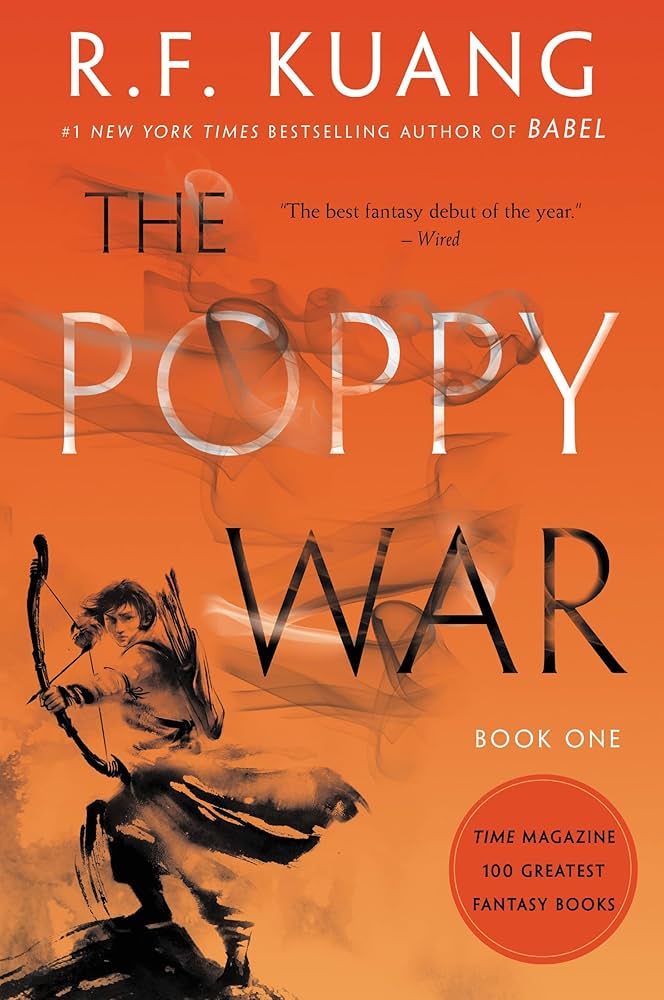
The Poppy War by R.F. Kuang — The One Sitting on My TBR (Judging Me)
Full transparency: I haven’t read this one yet. It’s been on my TBR long enough to develop an opinion of me.
But I keep seeing it come up in conversations about books that hit differently right now, and from everything I know, it belongs here. Kuang’s dark fantasy draws from the history of the Second Sino-Japanese War and doesn’t flinch from how nations dehumanize entire groups of people to justify atrocity. The fantasy framing isn’t a softener. If anything, it lets you absorb truths that might feel too raw any other way.
Much like The Black Witch Chronicles, it uses a fictional world to say something very real about ours. I’ll report back once I’ve actually read it.
So, What Do These Books Have in Common?
Propaganda. Institutions that normalize cruelty. The slow drift between “this is uncomfortable” and “this is just how things are.” The hard, unglamorous work of waking up and choosing differently.
None of these authors predicted the future because they had some special gift for prophecy. They understood human nature, and they understood history. They knew that these patterns don’t stay in the past just because we’d like them to.
The best speculative fiction trains us to recognize what we’re looking at before it’s too late to name it. And if we’ve already missed the moment? It helps us figure out where we are and how we got here.
Which is maybe the most useful thing a book can do.
What’s on your shelf that’s been feeling a little too familiar lately? Tell me in the comments. I’m always looking for my next “oh no, this is real” read.
 Lady by Nicole
Leave a comment